

During his time as the Global Permagarden Training Specialist for the Peace Corps, Peter Jensen created the permagardens method by bringing together an eclectic set of ancient growing techniques that have been used in the global south for thousands of years. In response to the combined traumas of climate change, HIV/AIDS, and regional conflicts, food and nutrition insecurity was skyrocketing. By combining the long-proven science-based techniques of Permaculture and Bio-Intensive Gardening, along with the ancient land shaping and soil building techniques of contour terracing and hugelkulture, and a systematic decision-making process known as “Terra Firma,” Jensen was able to demonstrate through hands-on teaching and learning at the household level, a nutrition-focused, high-yield, home-based garden where lessons learned could be brought to the farm field.
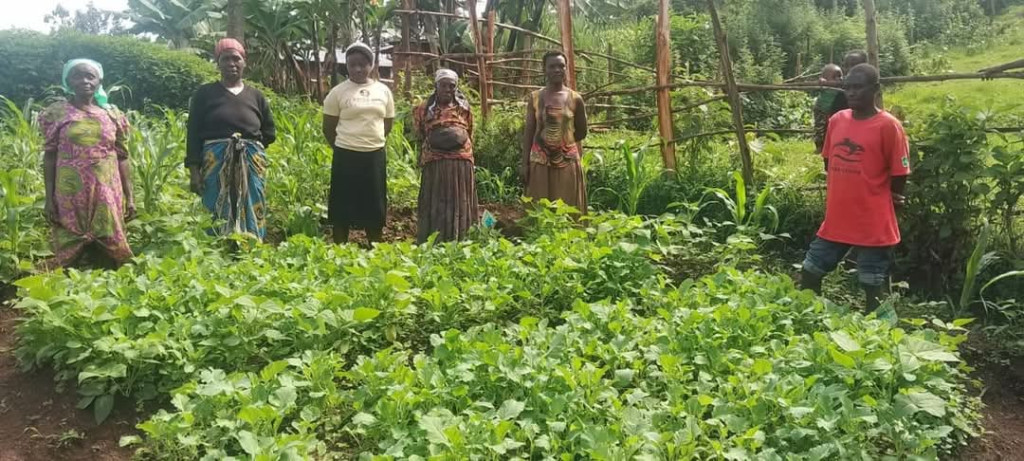
Before The Permagardens Foundation officially formed as an organization, many of our team members were already conducting or supporting permagardens projects, primarily in Rwanda and Kenya. Humanitarian leader Nancy Strachan is from Virginia but has a deep history with Rwanda. She met Peter Jensen and began supporting permagardens projects (which included fruit trees) in Rwanda. As of today she has funded over 225 of those, partly by collecting and selling jewelry and other items in her hometown. Along the way, she has onboarded several Rwandan activists who are dedicated to helping vulnerable communities and advancing sustainability. Four of these people joined our Practitioners Circle after our organization formed: Christine Mukeshimana, Emmanuel Manirarora, Laurent Wilson, Nsabimana, Agnes and Prosper Musemakweli, and Samson Kamashara.
In Emmanuel’s case, Nancy helped arrange for him to be trained by Peter Jensen in-person in 2018. That same year, Christine began incorporating permagardening into her organization’s strategies to “combat malnutrition and strengthen food security for vulnerable families.” Laurent was also cultivating permagardens in his community and eventually formed a peace group that helps meet basic needs through permagardens and healthcare, and addresses issues such as violence.
Meanwhile, after meeting Nancy Strachan and Peter Jensen in Rwanda in 2018, David Albert started incorporating permagardens trainings into the work of his organization, Friendly Water for the World, as part of their comprehensive program to address health issues in impoverished communities most severely affected by global warming. Isaac Atsiaya Lihanda was involved in Friendly Water for the World and that’s how he eventually got involved with The Permagardens Foundation.
What about our Director of Global Initiatives, Peter Otiende? Nancy Strachan happened to meet him via facebook in 2020. When she told him about the permagardens method, he eagerly began to study it because he had found out the malnutrition rate among students among students was 96%, and permagardens could help alleviate this. So in that same year, Nancy sent him some funds to start a permagarden at his home, which was very successful. He subsequently began teaching his fellow teachers and his students’ families, and what did the malnutrition rate drop to? Find out here!. In June 2024 he met David Albert through Equatorial Voices Network, and David was so impressed with Peter he proposed they create The Permagardens Foundation to help reduce malnutrition across the globe.
There were other reasons behind David’s idea to launch our Foundation. For instance, he noticed that his friends kept telling him, “David, you have all this incredible experience doing humanitarian work abroad that empowers communities in their self-sufficiency, you’ve learned so much from these people… you NEED TO MENTOR YOUNG PEOPLE.” So, given that David knew climate change was exacerbating problems especially in the global south, and that permagardens could make a huge difference because they address the crucial need of food security (which then makes it possible to address other more complex problems), he heeded their advice by founding The Permagardens Foundation, putting young people in the leadership positions, and establishing himself as a mentor and guide.