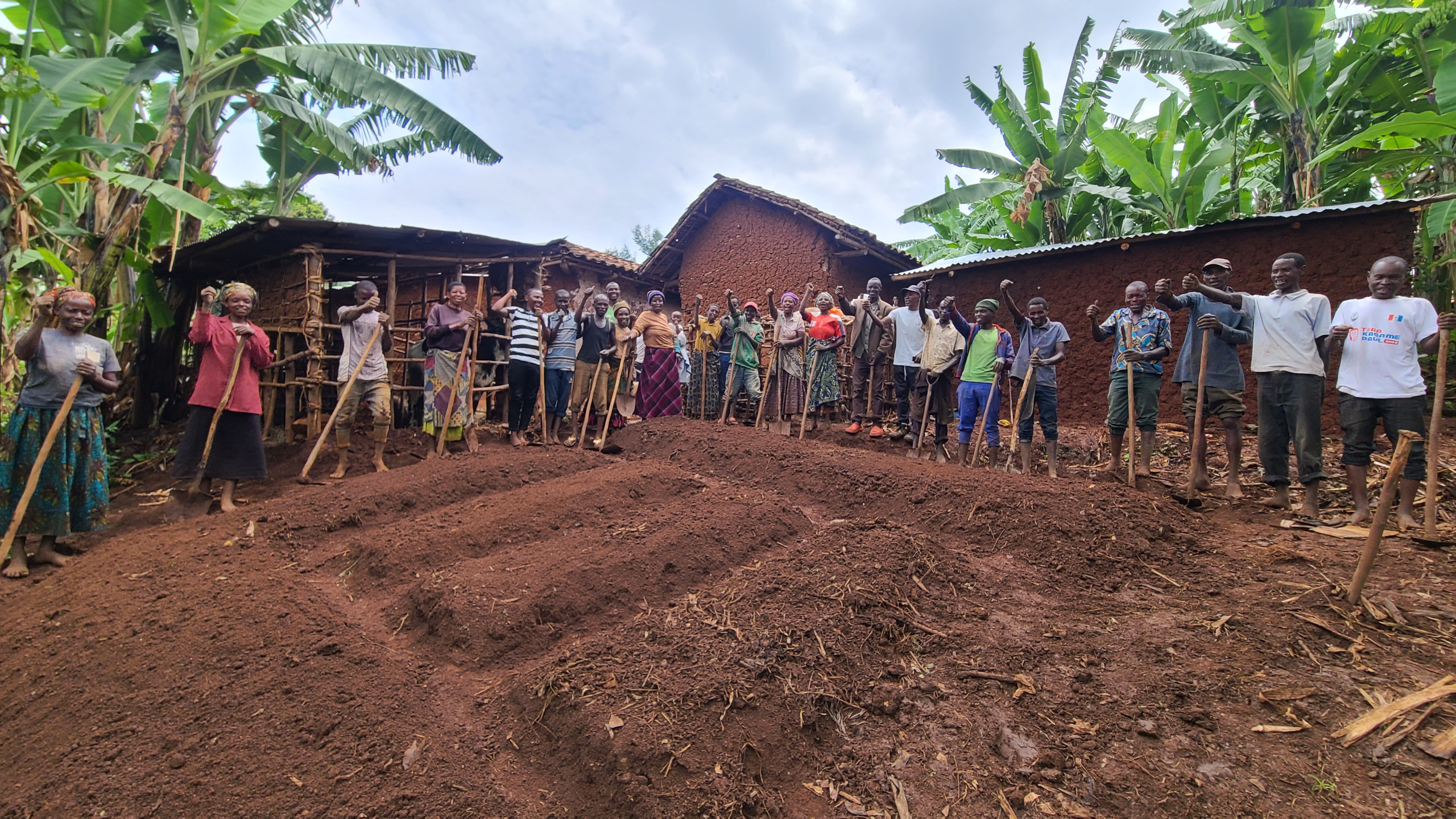
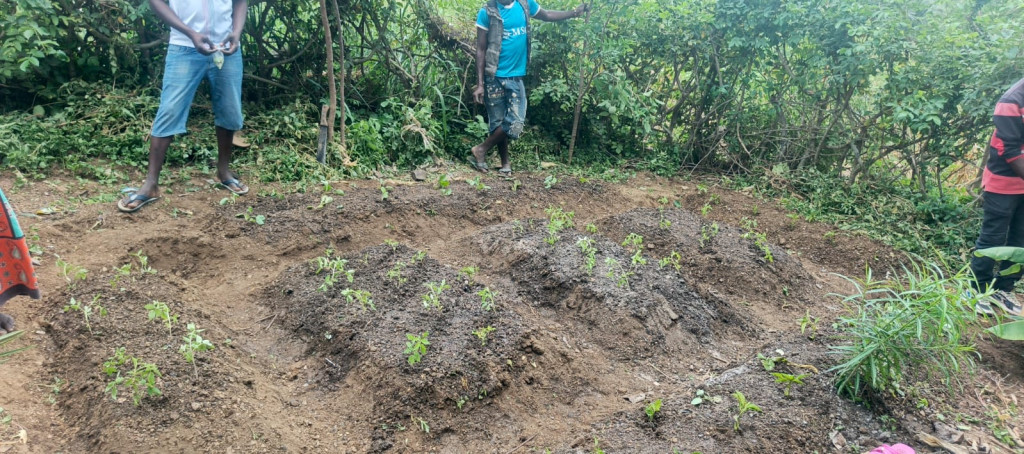
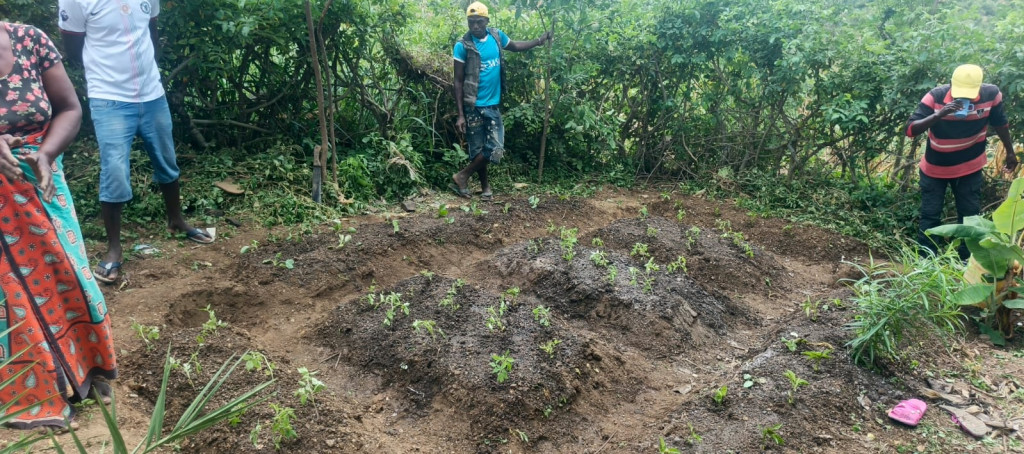
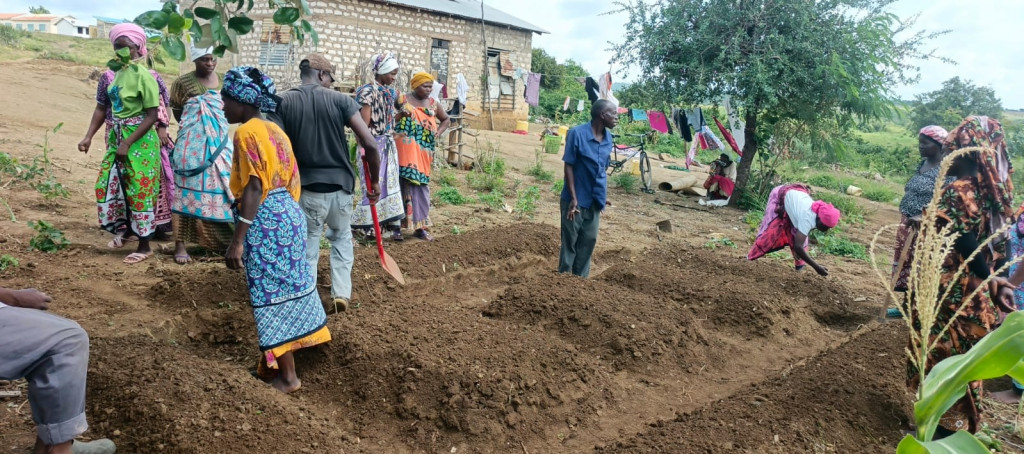
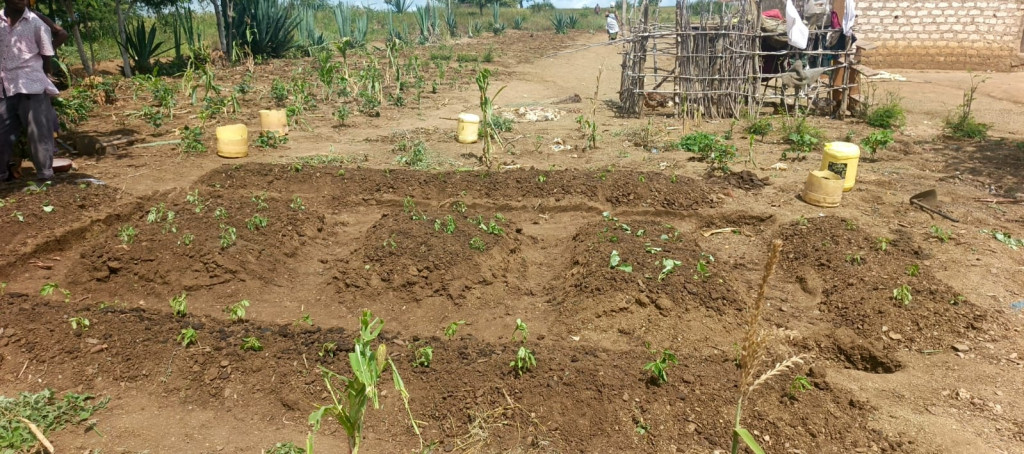
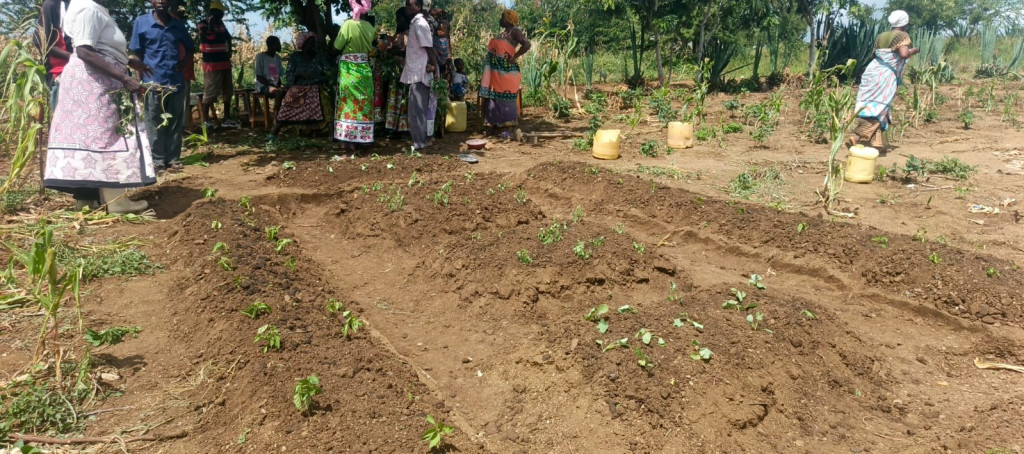
In Kenya’s coastal region, communities battling prolonged droughts and food insecurity are finding resilience through permagardens. Led by The Permagardens Foundation, these sustainable home-based gardens produce fresh vegetables while restoring dignity, self-reliance, and food sovereignty to families affected by climate challenges.
Discovering Models of Success
Families in Kaya Bombo, Jimbo, and Zinzi villages in Kwale County have long struggled with scarce rainfall and extended dry spells that limit food production. They suffered through 3 ½ years of drought. A turning point occurred when residents visited relatives who had thriving permagardens in Matuga Sub-county 200 kilometers to the south. Witnessing successful vegetable gardens under similar harsh conditions sparked curiosity and hope. Inspired, representatives from six villages requested training. With limited resources, the initiative by The Permagardens Foundation began in three villages, where demand quickly exceeded expectations.
Hands-On Training in Local Communities
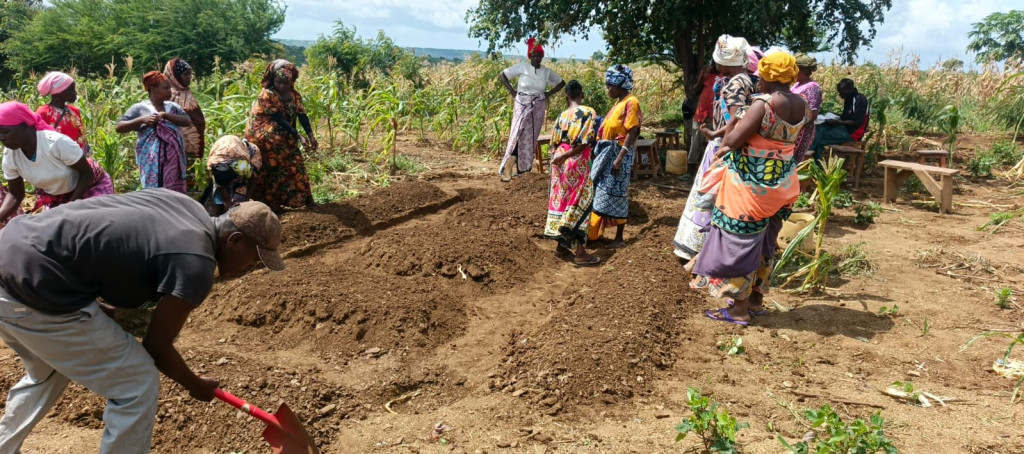
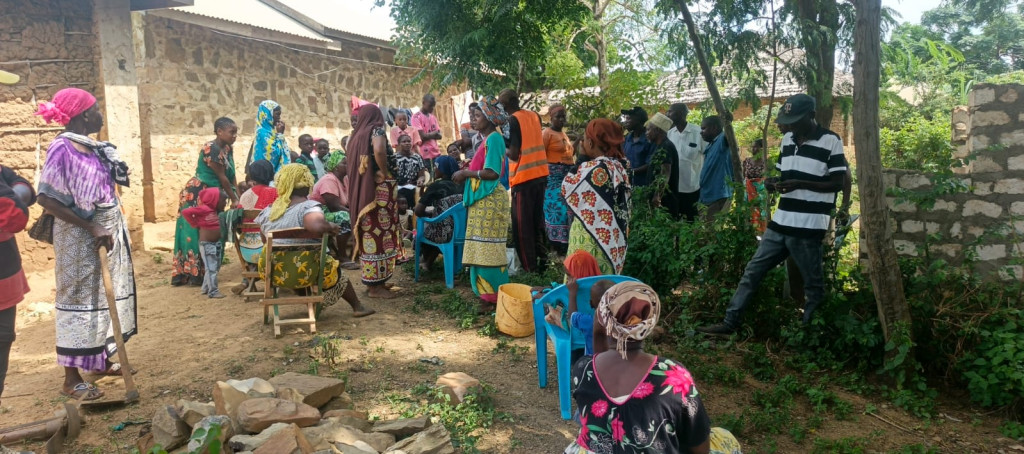
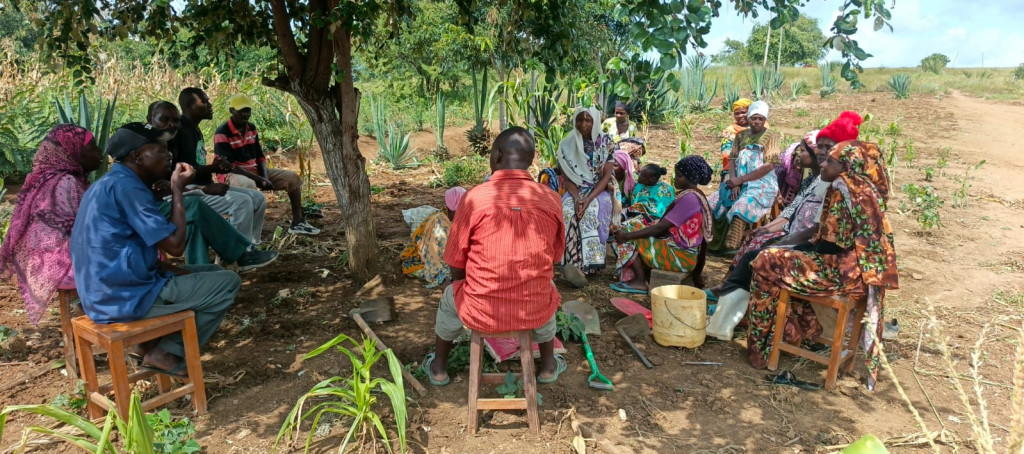
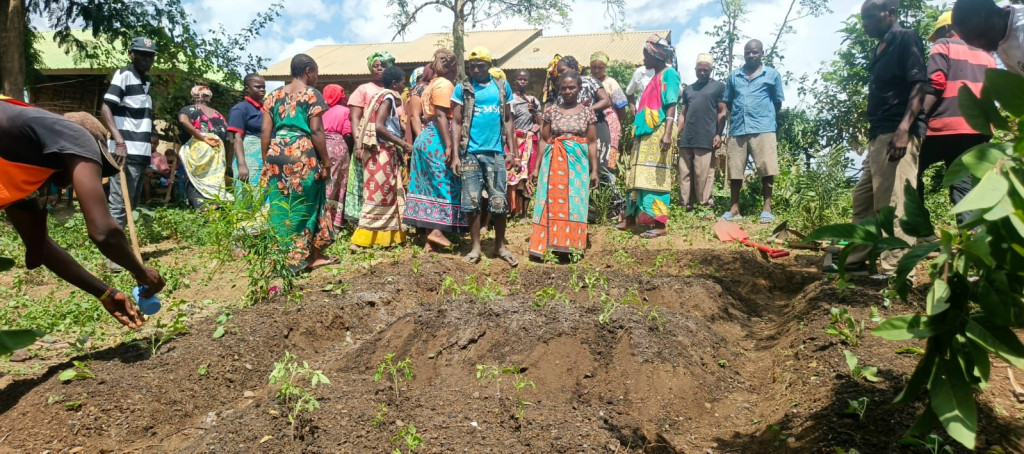
A team of eight trainers, three women and five men, from the group “United for Poor Communities”, founded by Isaac Atsiaya, delivered practical instruction in Kaya Bombo, Jimbo, and Zinzi villages. Local government administrators welcomed them at the chief’s office and commended the effort to tackle a longstanding regional challenge that had resulted in severe malnutrition and starvation. Training sessions occurred within family compounds for accessibility.
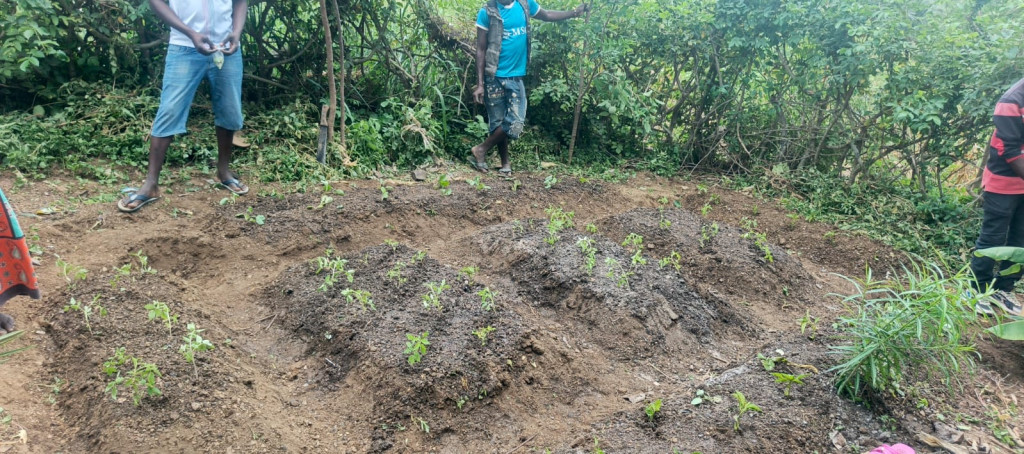
Women attended with young children on their backs, joined by men eager to bolster household food security. Participants learned permagarden techniques, received vegetable seedlings from community nurseries, and obtained indigenous legume seeds from a local seed bank. Assistant Kulala Mwinyi translated from Kiswahili into the Mijikenda tribal language, ensuring full understanding.
Want to receive updates on how permagardens works? Click here
Participants’ Voices and Immediate Impact
The sessions offered more than agricultural skills. Many women expressed relief at gaining tools against chronic hunger. “We wish we could have known about this earlier, but now we have hope in solving our hunger and starvation problem,” several told the trainers.
Men responded enthusiastically, with some inviting trainers to establish gardens at their homes. By the end, participants exchanged contacts, building networks for ongoing support. These interactions highlighted the program’s human impact: sharing knowledge, forging connections, and instilling confidence amid uncertainty.
Want to help through donations? Click here
A Growing Movement for Resilience
Since launching in August 2024, the initiative by The Permagardens Foundation has expanded across Kenya’s coastal region. The gardens improve household nutrition, generate income from surplus produce, support children’s education, and ensure access to fresh vegetables.
Small green plots beside homes now symbolize determination and self-sufficiency. As awareness spreads, more families view permagardens as a source of food, income, and dignity. Through targeted outreach, these gardens are sowing seeds of lasting change in vulnerable communities.
Want to help by donating?